Written by:
Louise has worked across digital publishing, content marketing, and media, producing blog articles, news features, and educational resources. Her background includes writing for financial education platforms, technology publications, and global content teams. She has experience creating content for diverse audiences across international markets, adapting tone and structure to meet regional and platform-specific requirements. At WhereiPark, she produces content focused on parking, cost-saving strategies, and location-based services across the U.S. and Canada. Have any questions about content that you’d like to ask Louise? Drop her an email at Louise@spacer.com.
 Edited by:
The Spacer Technologies content team is a dedicated group of writers and experts with a deep-rooted passion for the sharing economy.
Learn how accessible parking permits work in the U.S. and Canada, including eligibility, applications, rules, visitor guidelines, and parking etiquette.
Key Takeaways:
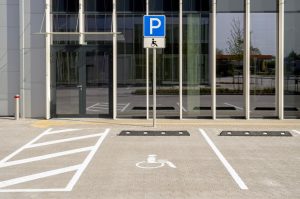
For people with disabilities, finding a suitable parking space can make a significant difference when accessing a building, service, or public area. Accessible parking spaces are designed to make getting in and out of a vehicle safer and easier, but using these spaces generally requires a valid accessible parking permit. Depending on where you live, that permit may be issued as a placard, parking permit, or accessible license plate.
One reason accessible parking rules can be confusing is that there’s no single set of rules covering the entire United States (U.S.) or Canada. In the U.S., each state generally manages its own disability parking permit program, while Canadian provinces and territories administer their own systems. Municipalities can then add their own parking bylaws, including rules on fees, time limits, and where accessible permits can be used. Federal accessibility laws and agreements can provide broader requirements or recognition, but they don’t eliminate these local differences. ADA.gov parking guidance Transport Canada parking badge guidance
These differences matter most when you’re traveling or moving to a new state, province, or territory. A permit that’s valid where it was issued may be recognized elsewhere, but you still need to follow the parking rules at your destination.
This guide looks at how accessible parking permits work across the U.S. and Canada, including how to apply, what rules to follow, and how to use accessible parking respectfully.
| Accessible Parking Permits: U.S. & Canada Quick Overview | ||
| United States | Canada | |
| Who issues permits? | State or designated state/local authorities | Provincial or territorial authorities, with some programs involving designated organizations |
| How do you apply? | The process and eligibility requirements vary by state | The process and eligibility requirements vary by province or territory |
| What form does the permit take? | Commonly a placard or accessible license plate | Commonly a parking permit or placard; formats vary by jurisdiction |
| Where can you use it? | Generally in designated accessible spaces, subject to the rules of the state and municipality where you’re parking | Valid permits from other Canadian jurisdictions, the U.S., and some other countries are generally recognized, subject to local bylaws |
| Do permits override other parking rules? | Not necessarily. Local rules on fees, time limits, and restricted areas still apply | No. Permit holders must follow local parking bylaws, including restrictions on areas such as loading or no-parking zones |
| Do you always park for free? | No. Fee exemptions vary by jurisdiction | Generally no. Transport Canada advises checking local rules for meter-fee exemptions |
| What should visitors do? | Check the rules at their destination before parking | Bring a valid permit and check the local parking rules at the destination |
An accessible parking permit doesn’t come with one universal set of privileges across North America. The permit is issued under one jurisdiction’s rules, but how you use it can depend on the rules where you’re parking.
In the U.S., accessible parking permits are generally issued through state programs, so the requirements aren’t identical from one state to another. Depending on the state, a permit may take the form of a temporary or permanent placard, an accessible license plate, or another form of state-issued identification. Eligibility, medical certification, application procedures, renewal periods, and parking privileges can all vary.
The federal Americans with Disabilities Act (ADA) doesn’t issue accessible parking permits. Instead, it sets accessibility requirements for parking facilities operated by covered businesses, nonprofits, and state and local governments. These requirements include features such as accessible spaces, access aisles, and accessible routes to building entrances.
For someone applying for an accessible parking permit, the state or designated issuing authority is therefore the place to start. Some states use their DMV, while others may involve local governments or separate agencies. California, for example, processes disabled person parking placards and plates through the Department of Motor Vehicles and requires medical certification as part of the application.
Having a valid permit doesn’t necessarily give you the same parking privileges everywhere in the country. Fees, time limits, and other restrictions can depend on the state or municipality where you’re parking, which makes checking the local rules especially important when using a permit outside your home area.
In Canada, accessible parking permit programs are managed at the provincial and territorial level, so the eligibility requirements, application process, and type of permit can vary depending on where you live. Municipalities then set and enforce many of the parking bylaws that apply locally. This means the permit you receive in one province or territory may look different from one issued elsewhere, and the parking privileges attached to it may also differ.
For people traveling within Canada, there’s an important layer of reciprocity. Canadian jurisdictions generally recognize valid accessible parking permits issued by other Canadian provinces and territories. Transport Canada also states that permits from the United States and Europe are recognized in Canada. However, recognition doesn’t mean that every parking privilege carries over. Permit holders still need to follow the local bylaws where they’re parking.
For example, a valid permit generally allows ADA permit holders to use a designated accessible parking space, but it doesn’t automatically exempt them from parking meter fees or restrictions on areas such as loading zones, no-parking zones, or pedestrian zones. Transport Canada recommends checking with the local authority to confirm any available exemptions.
The safest approach is to check the rules in the province or territory where you’re applying and the municipality where you plan to park. That becomes particularly important when you’re using a permit outside your home jurisdiction, which we’ll cover in more detail later in the guide.
The process for applying for an accessible parking permit varies by state, province, and territory, but many applications require similar information and documentation. Before starting a disabled parking permit application, check the requirements of the authority that issues permits in your area. Depending on your jurisdiction, you may need:
In most cases, you must first confirm that you meet the local eligibility requirements, then have the required medical professional complete the certification portion of the application. After gathering your documents, submit the application through the designated state, provincial, territorial, or local authority. Finally, once your permit is issued, check the instructions for displaying and renewing it, since these requirements also vary by jurisdiction.
In the U.S., there’s no single national application for an accessible parking permit. Each state sets its own eligibility requirements and determines who can certify a disability. The difference can be significant. In California, for example, certification may be provided by several types of licensed healthcare professionals, including physicians, physician assistants, nurse practitioners, and certified nurse-midwives. Chiropractors and certain optometrists can also certify specific qualifying conditions. California also allows some applicants to receive a placard without medical certification in limited circumstances.
New York takes a different approach. Its current rules generally accept certification from a medical doctor, doctor of osteopathy, doctor of podiatric medicine, or optometrist, depending on the qualifying condition. The state also allows the medical certification requirement to be waived in certain cases where an applicant has an obvious, visible, permanent disability.
These differences are why it’s important to check your state’s current requirements rather than assuming that a medical certification that works in one state will be accepted in another. Your state’s official motor vehicle department or designated issuing authority should have the most up-to-date application instructions.
In Canada, accessible parking permits are administered at the provincial or territorial level, so the application process isn’t the same everywhere. Most programs require an application and some form of medical or healthcare professional certification, but the eligibility criteria, application forms, issuing authorities, and renewal requirements can differ. Municipalities may also set additional rules about how permits can be used once they’re issued.
Ontario, for example, requires a regulated healthcare practitioner to certify that an applicant has a disability, provide information about the nature of the disability, and indicate whether it’s temporary or permanent. If a permanent disability was certified on an earlier application, the applicant generally doesn’t need new healthcare professional certification when renewing the permit.
The issuing authority also varies across Canada. In some provinces, applications are handled through a government department, while others use a designated organization to administer the program. British Columbia, for example, issues permits through organizations including The Social Planning and Research Council of B.C. (SPARC BC), while Ontario administers its program through the provincial government.
If you’re applying for a permit, use the official provincial or territorial instructions for the most current requirements. And if you’re already a permit holder traveling within Canada, you generally don’t need to apply for a new permit in every province. Canadian jurisdictions recognize valid permits issued by other Canadian jurisdictions, although you’ll still need to follow the parking rules that apply where you’re visiting.
An accessible parking permit gives eligible drivers specific parking accommodations, but it doesn’t mean the usual parking rules no longer apply. Permit holders still need to follow the conditions attached to their permit and the local parking rules where they park. At the same time, drivers without a permit have a responsibility to keep accessible spaces and access areas available for the people who rely on them.
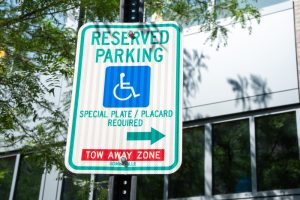
Accessible parking works best when the permit provides its intended accommodation without creating unnecessary barriers for others. Knowing what your permit allows is only part of that responsibility. Leaving the space, access aisle, and surrounding accessible route clear is just as important.
If you’re traveling with an accessible parking permit, don’t assume that the rules you’re used to at home apply at your destination. A valid permit may be recognized in another state, province, or country, but the parking privileges attached to it can still vary. Before parking, check whether your permit is recognized, how it should be displayed, and whether local rules provide any exemptions from parking fees or time limits.
It’s also worth checking the signs at the specific parking location. Some areas may have additional restrictions that apply to everyone, including permit holders. In Canada, for example, Transport Canada advises permit holders to follow local parking bylaws and check whether meter fees or other restrictions apply.
When in doubt, check the official parking authority or municipal website before you park. A few minutes spent confirming the local rules can help you avoid a ticket and, more importantly, make sure the accessible space remains available and usable for those who need it.
An accessible parking permit is an accommodation tied to a person’s eligibility, not a blanket exemption from parking rules. That is, even with a valid permit, drivers still need to follow local restrictions on parking fees, time limits, loading zones, and other designated areas.
If you’re traveling or using your permit outside your home jurisdiction, check the official parking rules for your destination before you park. Requirements and parking concessions can vary, and a quick check can help you avoid confusion or a parking violation.
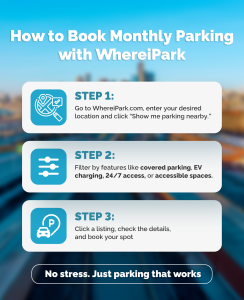
Looking for an accessible parking space at your destination? WhereiPark can help you find available options so you can plan your trip with less hassle. Just browse parking near your destination, filter for your preferred parking features, and book.
Louise has worked across digital publishing, content marketing, and media, producing blog articles, news features, and educational resources. Her background includes writing for financial education platforms, technology publications, and global content teams. She has experience creating content for diverse audiences across international markets, adapting tone and structure to meet regional and platform-specific requirements. At WhereiPark, she produces content focused on parking, cost-saving strategies, and location-based services across the U.S. and Canada. Have any questions about content that you’d like to ask Louise? Drop her an email at Louise@spacer.com.
Louise has worked across digital publishing, content marketing, and media, producing blog articles, news features, and educational resources. Her background includes writing for financial education platforms, technology publications, and global content teams.
She has experience creating content for diverse audiences across international markets, adapting tone and structure to meet regional and platform-specific requirements.
At WhereiPark, she produces content focused on parking, cost-saving strategies, and location-based services across the U.S. and Canada.
Have any questions about content that you’d like to ask Louise? Drop her an email at Louise@spacer.com.
This will close in 0 seconds
This will close in 0 seconds