Written by:
Louise has worked across digital publishing, content marketing, and media, producing blog articles, news features, and educational resources. Her background includes writing for financial education platforms, technology publications, and global content teams. She has experience creating content for diverse audiences across international markets, adapting tone and structure to meet regional and platform-specific requirements. At WhereiPark, she produces content focused on parking, cost-saving strategies, and location-based services across the U.S. and Canada. Have any questions about content that you’d like to ask Louise? Drop her an email at Louise@spacer.com.
 Edited by:
The Spacer Technologies content team is a dedicated group of writers and experts with a deep-rooted passion for the sharing economy.
Learn how street cleaning parking suspensions work in major cities. Discover parking rules, schedules, fines to avoid, and practical tips for drivers and tourists.
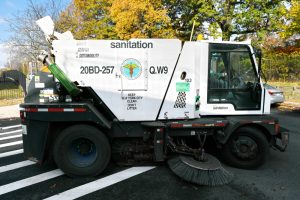
Street cleaning parking suspensions are temporary parking restrictions that allow cities to clean roads, remove debris, and maintain safer streets. During scheduled cleaning periods, vehicles parked in restricted areas may receive tickets or be towed. These rules are common in major cities across North America and can vary widely depending on the location, season, and neighborhood.
For local drivers, understanding street cleaning schedules can help avoid unnecessary fines and parking disruptions. For tourists and rental car users, the rules can be even more confusing since parking signs, enforcement hours, and alternate side parking systems often differ from one city to another. Cities such as New York City, Chicago, and Toronto all enforce street cleaning regulations differently.
In this guide, we’ll explain how street cleaning parking suspensions work, how regulations differ between US and Canadian cities, and what drivers and tourists can do to avoid parking tickets and towing during scheduled cleaning periods.
Read more about parking rules in North America:
Street cleaning parking suspensions temporarily prohibit vehicles from parking on specific streets during scheduled cleaning hours. Cities use these restrictions to clear debris, improve drainage, and maintain safer road conditions. In most cases, signs posted along the street will display the exact days and times when parking is not allowed.
Some cities follow fixed weekly schedules, while others enforce seasonal cleaning programs during spring and summer. Drivers may also encounter alternate side parking rules, which require vehicles to move from one side of the street to the other on designated days. This system is especially common in dense urban areas such as New York City.
Enforcement methods vary by city, but parking violations often result in fines, towing, or both. While many municipalities publish cleaning schedules and parking alerts online to help drivers stay informed, others simply follow the regular schedule posted on street signs. Before parking in an unfamiliar area, it’s a good idea to check official websites or social media pages for updates while also paying close attention to posted parking signs.
Street cleaning parking rules in the U.S. and Canada share the same basic purpose, but the way they are enforced and communicated can differ quite a bit. In both countries, cities rely on temporary parking restrictions to allow street sweepers to clean roads efficiently. However, the signage, timing, and enforcement style are not standardized.
In the U.S., larger cities often use structured systems like alternate side parking or clearly posted weekly cleaning schedules. Cities such as New York City and San Francisco typically publish detailed calendars and enforce rules with a combination of parking tickets and towing.
In Canada, street cleaning rules are often combined with other seasonal regulations, such as snow route restrictions or winter parking bans. Cities like Toronto and Montreal may adjust schedules based on weather conditions and municipal maintenance needs.
For drivers crossing the US–Canada border, the biggest challenge is not the concept itself, but the lack of consistency. Parking signs, timing rules, and enforcement methods can change significantly from one city to another, so checking local signage is always necessary before leaving a vehicle.
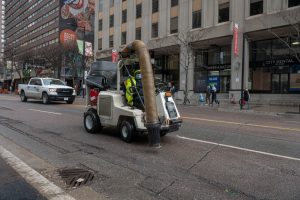
Avoiding street cleaning parking tickets usually comes down to checking rules early and paying attention to posted signs. Since regulations vary by city, a few simple habits can make a big difference.
When parking in doubt, choosing a legal garage or clearly unrestricted area is usually the safest option.
Understanding street cleaning parking suspensions is one of the simplest ways to avoid avoidable parking tickets and towing. While the rules may seem minor, they are enforced regularly in many cities and can quickly become costly if overlooked. A few minutes spent checking schedules or reading posted signs can save both time and money.
Since rules differ between cities in the United States and Canada, there is no universal standard drivers can rely on. Whether you are commuting locally or visiting as a tourist, it’s always best to verify street cleaning schedules in advance and stay alert to posted restrictions. Being informed makes city parking far less stressful and helps you avoid unnecessary disruptions to your plans.
Louise has worked across digital publishing, content marketing, and media, producing blog articles, news features, and educational resources. Her background includes writing for financial education platforms, technology publications, and global content teams. She has experience creating content for diverse audiences across international markets, adapting tone and structure to meet regional and platform-specific requirements. At WhereiPark, she produces content focused on parking, cost-saving strategies, and location-based services across the U.S. and Canada. Have any questions about content that you’d like to ask Louise? Drop her an email at Louise@spacer.com.
Louise has worked across digital publishing, content marketing, and media, producing blog articles, news features, and educational resources. Her background includes writing for financial education platforms, technology publications, and global content teams.
She has experience creating content for diverse audiences across international markets, adapting tone and structure to meet regional and platform-specific requirements.
At WhereiPark, she produces content focused on parking, cost-saving strategies, and location-based services across the U.S. and Canada.
Have any questions about content that you’d like to ask Louise? Drop her an email at Louise@spacer.com.
This will close in 0 seconds
This will close in 0 seconds