Written by:
Zarah Mae Torrazo is a contributor and writer for WhereiPark, bringing her previous experience as Head of Content at Spacer Technologies, where she led content creation for Parkhound, Spacer.com, Spacer.com.au, and WhereiPark. With nearly a decade of experience in digital content, Zarah specializes in crafting engaging, SEO-optimized writing that bridges both B2B and B2C audiences. Her work spans a wide range of industries from real estate and finance to mobility, health, and tech, with a focus on turning complex ideas into clear, actionable insights. At WhereiPark, Zarah writes extensively about multifamily property management, urban mobility trends, and the monetization of underused assets like parking. She’s particularly passionate about the sharing economy and its power to reshape how people and businesses access space, transport, and opportunity.
 Edited by:
Joshua Eisen is the Chief Revenue Officer at WhereiPark, where he leads growth, partnerships, and strategic initiatives focused on helping property owners and organizations unlock the value of underutilized parking assets. He works closely with developers, enterprises, and operators to deliver scalable parking solutions, particularly in complex environments such as construction sites and corporate workplaces. Josh is frequently tapped as an industry expert on parking logistics, urban mobility, and workplace commuting trends. He has contributed insights to publications such as Talent Canada, where he explored parking as part of total rewards strategy, and has been featured in industry coverage including Construction Owners, where he highlighted the role of parking in large-scale data center developments.
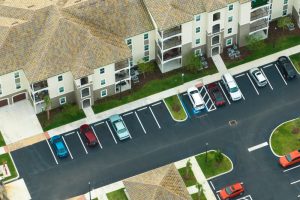
Parking near busy offices, airports, stadiums, and downtown areas can be expensive. In some of the largest U.S. cities, monthly parking can cost anywhere from $300 to more than $600. A new analysis also found that on-site parking at major U.S. airports could cost as much as $80 per day.
But commercial parking garages aren’t the only option,and paint a smaller picture of overall parking inventory. Many privately owned parking spaces are available to rent, often at lower prices than traditional parking facilities.
Known as off-market parking, these spaces are offered by homeowners, businesses, apartment buildings, hotels, churches, and other property owners when parking isn’t being used to capacity. They can be searched, compared, and reserved through online parking marketplaces such as WhereiPark. With lower operating costs and otherwise vacant spaces to monetize, owners can often charge less than nearby commercial garages.
This guide explains what off-market parking is, why it’s often more affordable than commercial parking, where to find it, and what to consider before booking.
Off-market parking are parking spaces made available through a parking marketplace instead of a traditional parking operator that manages spaces for the open public. These spaces are owned by individuals, businesses, property managers, and other private property owners rather than commercial parking companies.
Unlike public garages or paid parking lots that are built specifically for customer parking, off-market parking makes use of existing spaces that would otherwise sit empty during certain hours or days. A residential driveway may be available while the homeowner is at work. An office parking lot may have open spaces on weekends. Hotels, apartment buildings, and places of worship often have unused capacity at different times as well.
Common examples of off-market parking can include:
Both off-market parking and commercial parking provide a place to park your vehicle, but they’re managed differently. The biggest differences come down to who owns the parking space, how it’s priced, and how it’s made available to drivers.
| Feature | Off-Market Parking | Commercial Parking |
| Ownership | Privately owned by homeowners, businesses, property managers, hotels, churches, or other property owners | Owned or operated by commercial parking companies |
| Pricing | Often lower because owners rent out existing spaces with lower operating costs | Typically higher to cover staffing, maintenance, insurance, and facility operating costs |
| Availability | Depends on when private spaces are available, such as during work hours, evenings, weekends, or seasonal periods | Generally available whenever the facility is open |
| Booking | Reserved online through a parking marketplace before arrival | May allow advance reservations, but many also accept drive-up parking and payment on arrival |
| Typical Users | Commuters, residents, students, travelers, event attendees, and monthly parkers | General public, short-term visitors, commuters, and tourists |
| Flexibility | Wide range of daily and monthly options across different property types | Usually limited to the rates, hours, and policies set by the parking operator |
There isn’t a single reason off-market parking costs less than commercial parking. In most cases, lower prices come from a combination of unused parking spaces, lower operating costs, and a competitive marketplace where drivers can easily compare options. With residential buildings, often parking rates are lower than market as property managers look to incentivise new tenants for long term rental leases.
Across cities, thousands of parking spaces go unused for part of the day or week. Rather than leaving them vacant, property owners can rent them to drivers looking for convenient parking nearby.
Common examples include:
Renting these spaces creates new income streams from existing assets without requiring additional parking to be built. .
Commercial parking garages have ongoing operating expenses that are reflected in their pricing. These may include staffing, security, lighting, cleaning, insurance, maintenance, and facility management. Further, commercial parking garages typically require more expensive parking access and revenue control technologies to accommodate for both transient and contract parking programs,
Private parking spaces generally don’t have the same level of overhead. Because the parking already exists and requires little additional management, owners can often offer lower rates while still generating income.
For many property owners, earning regular rental income is more important than charging the highest possible price.
A parking space that is rented consistently can generate predictable income, similar to a rent check, while an empty space earns nothing. Competitive pricing helps attract more bookings, particularly for daily and monthly parking.
Online parking marketplaces make it easy to compare prices, locations, amenities, and availability before booking.
Because multiple listings are shown side by side, owners are encouraged to price their spaces competitively. Drivers benefit from greater price transparency and more options, while owners have an opportunity to attract bookings without relying on fixed commercial parking rates.
Off-market parking can be a practical option for anyone looking for more affordable or conveniently located parking. While use cases vary, it’s especially well suited to people who park regularly or need reliable parking near busy destinations.
| User | Why Off-Market Parking Can Be a Good Fit |
| Daily commuters | Save on the cost of parking near the office and reserve a space before arriving at work. |
| Hybrid workers | Book parking only on the days you’re in the office instead of paying for a full-time monthly contract. |
| Apartment residents | Rent a nearby parking space if your building has limited parking or long waiting lists. |
| Students | Find parking close to campus without relying solely on university parking permits or garages. |
| Healthcare workers | Reserve parking near hospitals and medical centers, especially during long or overnight shifts. |
| Business travelers | Book parking near airports, transit stations, or temporary workplaces for short or extended trips. |
| Event attendees | Compare parking options near stadiums, concert venues, and entertainment districts before arriving. |
The best option depends on your destination, schedule, and parking needs. Whether you’re parking for a single event, commuting a few days each week, or looking for a long-term space near home, off-market parking gives you access to a wider range of privately owned spaces that may not be available through traditional parking operators.
Off-market parking can be a safe and reliable option when booked through a reputable parking marketplace. However, safety features and booking protections vary by platform and individual listing, so it’s worth reviewing the details before you reserve a space.
When comparing parking options, look for:
Just as importantly, review the listing itself. Check whether the space is covered or uncovered, whether access is gated or open, and if there are any vehicle size restrictions or time limits.
Before booking, compare more than just the price. Reading reviews and checking the listing details can help you find a parking space that’s both convenient and a good fit for your vehicle.
Note: Not every parking marketplace offers the same features or verification process. Always review the information provided for the specific listing before making a reservation.
The amount you can save depends on where you park and the type of space you choose. Off-market parking is often priced lower than nearby commercial parking because it makes use of existing spaces that would otherwise sit empty. However, rates still vary based on several factors.
| Factor | How It Affects Price |
| City | Parking in major metropolitan areas generally costs more than in smaller cities or suburban locations. |
| Neighborhood | Spaces near offices, hospitals, stadiums, airports, and transit stations are typically more expensive than those farther away. |
| Parking type | Covered, gated, valet, or reserved parking often costs more than outdoor spaces. |
| Rental duration | Monthly parking usually offers a lower daily cost than booking individual days. |
| Demand | Prices may increase during weekdays, major events, or other peak parking periods. |
| Amenities | Features such as EV charging, 24/7 access, assigned parking, and enhanced security can increase the price. |
Comparing multiple listings can help you find the best balance between price, location, and amenities. If your schedule is flexible, choosing a space a little farther from your destination or booking monthly instead of daily may also reduce your overall parking costs.
Once you’ve found a few parking spaces, don’t just compare prices. Because off-market parking comes from different property owners, every listing is a little different. Taking a minute to review the details can help you avoid surprises on the day you park.
A space that’s $10 cheaper isn’t much of a bargain if you can’t access it when you need it. Before booking, check when the space is available, whether overnight parking is allowed, and if you’ll need a gate code, key card, or other access instructions.
Two parking spaces might cost the same but offer very different experiences. One could be a covered, gated garage with assigned parking, while another is an open driveway. If you’ll be parking every day, amenities like covered parking, EV charging, or 24/7 access may be worth paying a little more for.
Photos tell part of the story, but reviews often tell the rest. Previous drivers can point out whether the listing is easy to find, whether the host communicates well, and if the parking space matches the description.
Before confirming your booking, review the cancellation policy and any parking instructions. Some spaces have vehicle size limits, restricted hours, or permit requirements that could affect your reservation.
Before confirming your reservation, make sure you’ve checked:
Choosing the right parking space isn’t just about finding the lowest price. A space that matches your schedule, vehicle, and parking needs is more likely to save you time and provide a better overall experience.
Many properties have parking spaces that sit empty for part of the day, week, or year. Apartment buildings may have vacant resident spaces, hotels often have excess parking during weekdays, and office buildings typically have unused spaces after business hours.
Instead of leaving those spaces unused, many property owners list them through parking marketplaces to generate additional income from existing parking assets.
Common reasons include:
For drivers, this means more parking options and often lower prices than traditional commercial garages. For property owners interested in renting out unused parking, explore our guide to monetizing unused corporate parking spaces.
Off-market parking isn’t just a cost-saving option for drivers. It’s also an opportunity for property owners to generate revenue from underutilized parking assets.
Parking search firms like WhereiPark helps owners and managers of multifamily buildings, office buildings, hotels, retail centers, and other commercial properties list their off-market parking for drivers looking for convenient daily or monthly parking.
With WhereiPark, property owners can:
Whether you’re managing a multifamily property with vacant resident parking or a commercial property with excess capacity, listing your off-market parking can help turn unused spaces into an additional source of recurring revenue.
Interested in learning how other properties are maximizing the value of their off-market parking? Read how 240 Wellesley added $50,000 to its yearly revenue stream with unused parking.
Ready to Turn Extra Parking Space Into Revenue?
Turn underutilized parking into a reliable monthly revenue stream.
What is off-market parking?
Off-market parking is parking rented directly from private property owners instead of commercial parking operators. These spaces may include residential driveways, apartment buildings, office complexes, hotels, and other privately owned lots that are available to book through online parking marketplaces.
Why is off-market parking cheaper than commercial parking?
Off-market parking is often less expensive because property owners are renting out unused spaces rather than operating a commercial parking facility. With lower overhead costs, they can often offer more competitive rates than traditional garages.
Is off-market parking safe?
Yes, off-market parking can be safe when booked through a reputable parking marketplace. Many listings include photos, reviews, secure online payments, access instructions, and customer support to help drivers book with confidence.
Can I rent someone’s driveway for monthly parking?
Yes. Many homeowners rent out their driveways for monthly parking, especially in neighborhoods where parking is limited. It’s a common option for commuters, apartment residents, and students looking for a regular parking space.
What’s the difference between private parking and off-market parking?
Private parking refers to who owns the parking space, while off-market parking refers to privately owned spaces that are made available for rent. Not all private parking is off-market, but all off-market parking is privately owned.
How do I find off-market parking near me?
Search an online parking marketplace that lists privately owned parking spaces. You can compare locations, prices, amenities, and availability before reserving daily or monthly parking in advance.
Can businesses rent out unused parking spaces?
Yes. Businesses, office buildings, hotels, and multifamily properties can earn additional income by renting out unused parking spaces to commuters, residents, or visitors through a parking marketplace.
Is off-market parking available in every city?
Off-market parking is available in many cities, but availability depends on local demand and the number of property owners listing their spaces. Larger metropolitan areas typically offer the widest selection.
Can I reserve off-market parking in advance?
Yes. Many off-market parking spaces can be reserved online before you arrive. Depending on the listing, you may be able to book parking by the hour, day, or month.
Is off-market parking suitable for long-term parking?
Yes. Many off-market parking spaces are available for monthly or long-term rentals, making them a practical option for commuters, residents, business travelers, and anyone who needs regular parking.
Commercial garages have been the default choice for drivers looking for parking. But they’re no longer the only option.
Off-market parking gives you access to thousands of privately owned spaces that would otherwise sit empty. Whether it’s a driveway, an apartment building, an office parking lot, or a hotel garage, these spaces can often provide a more affordable and convenient alternative to traditional parking.
If you’re looking for parking near work, home, the airport, or your next event, it’s worth comparing off-market parking before booking a commercial garage. You may find a space that’s closer, better suited to your needs, or simply costs less.
Zarah Mae Torrazo is a contributor and writer for WhereiPark, bringing her previous experience as Head of Content at Spacer Technologies, where she led content creation for Parkhound, Spacer.com, Spacer.com.au, and WhereiPark. With nearly a decade of experience in digital content, Zarah specializes in crafting engaging, SEO-optimized writing that bridges both B2B and B2C audiences. Her work spans a wide range of industries from real estate and finance to mobility, health, and tech, with a focus on turning complex ideas into clear, actionable insights. At WhereiPark, Zarah writes extensively about multifamily property management, urban mobility trends, and the monetization of underused assets like parking. She’s particularly passionate about the sharing economy and its power to reshape how people and businesses access space, transport, and opportunity.

Louise has worked across digital publishing, content marketing, and media, producing blog articles, news features, and educational resources. Her background includes writing for financial education platforms, technology publications, and global content teams.
She has experience creating content for diverse audiences across international markets, adapting tone and structure to meet regional and platform-specific requirements.
At WhereiPark, she produces content focused on parking, cost-saving strategies, and location-based services across the U.S. and Canada.
Have any questions about content that you’d like to ask Louise? Drop her an email at Louise@spacer.com.
This will close in 0 seconds
This will close in 0 seconds